05-October-2026
By Najade Lindsay, Knowledge Management Officer; Mabarakissa Diomandé, Principal Evaluation Officer; and Daouda Drabo, Data Scientist.

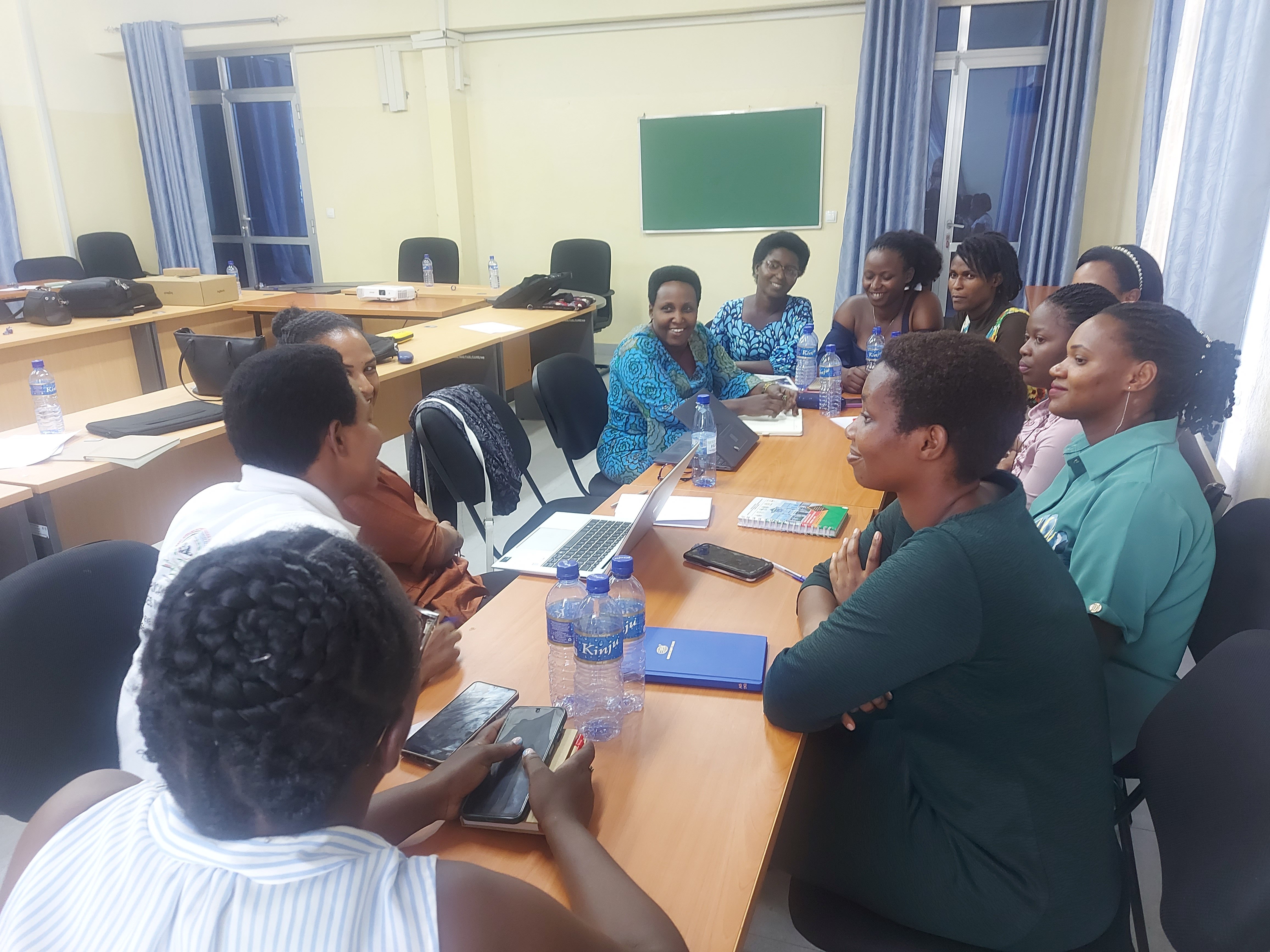
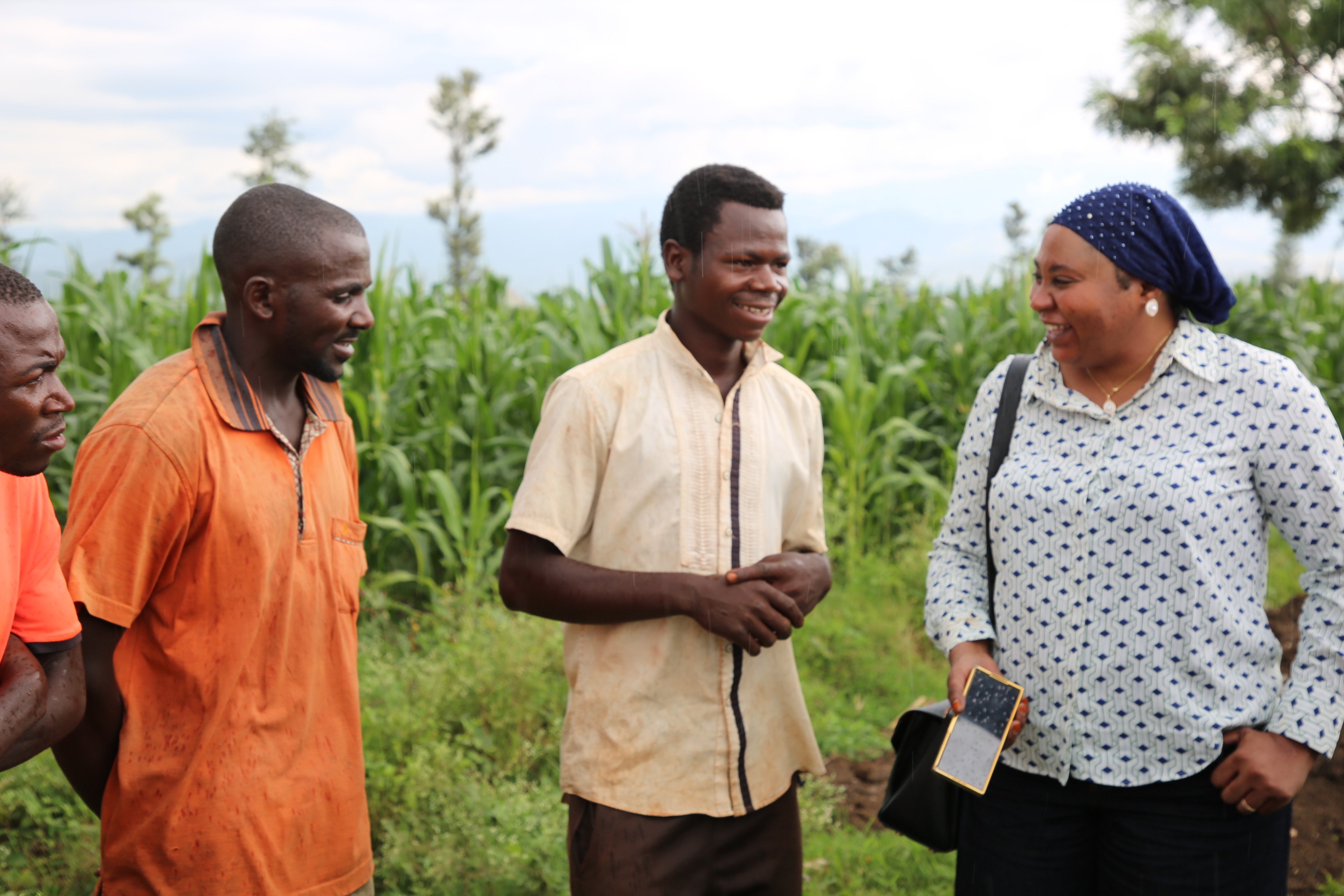
In Cibitoke, northwestern Burundi, we met Jeannette, Anita, Aline and Nelly. They are farmers, mothers and members of the Turiku Kivi ("We are working" in Kirundi) cooperative. They spoke to us about harvests and food security. But the conversation soon moved beyond production. They also described greater confidence, a stronger voice in household decisions and a growing role in their community. It was an early reminder that women’s empowerment is experienced in ways that numbers alone do not always capture. We flew to Burundi in April 2026 as part of IDEV’s Evaluation of the African Development Bank’s Support to Gender Equality and Women’s Empowerment. Burundi is one of the evaluation’s case study countries, selected in part because its fragility context can offer important insights into how efforts to advance gender equality and women’s empowerment are experienced in challenging environments. Over several days, we listened to farmers, students, government representatives, civil society organisations and project teams. Rather than telling the story of the evaluation before it is complete, this blog reflects on what we heard and observed during the mission, capturing lived experiences that add texture and meaning to the evidence we collect.
When the harvest is only part of the story
The women described how access to improved seeds, agricultural training and cooperative support through the African Development Bank-supported Emergency Agricultural Production Project[1] had helped increase production and strengthen food security.
Yet what stayed with us most was not only what they told us about harvests and production, but what those changes appeared to make possible in other areas of their lives: greater confidence, a stronger participation in household decisions and a growing role in community leadership.
Education opens doors, but not every barrier disappears
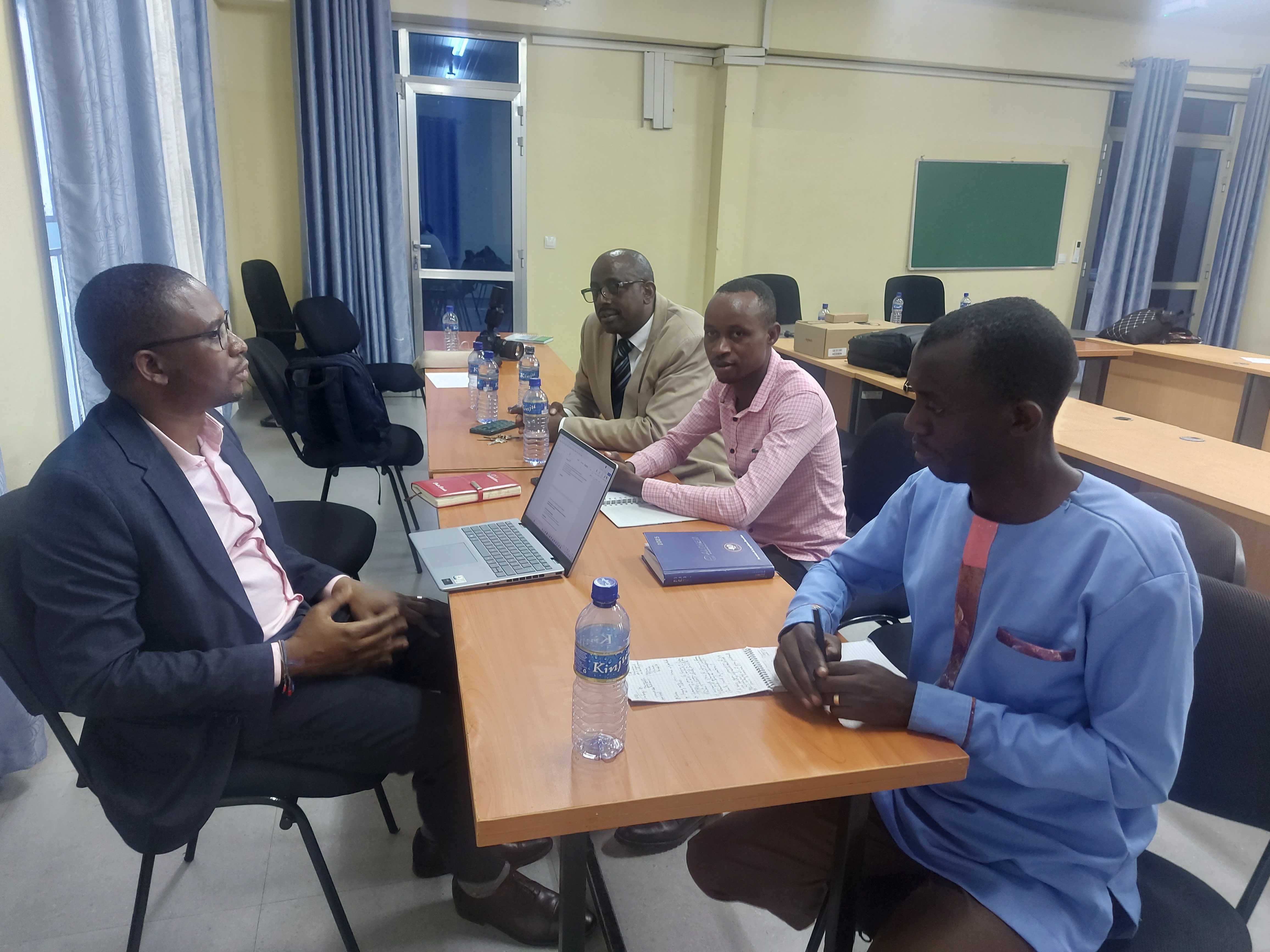
As we travelled and listened, this broader understanding of empowerment surfaced in different settings. Agriculture was one part of the picture; education, nutrition, employment and family life revealed others. At the East African Nutritional Sciences Institute (EANSI) in Bujumbura, students and graduates shared how scholarship support and advanced training had opened new opportunities. Through its support[2], the African Development Bank is helping train a new generation of nutrition professionals by financing Master’s and doctoral scholarships in nutrition and food sciences.
Among the graduates we met was Alice, who completed a Master’s programme in Nutrition. She told us that her studies helped her turn a long-standing ambition to serve her community into a professional path. Today, she is an entrepreneur in the nutrition sector and co-founder of the Association of Nutritionists Without Borders. In a context where formal employment is not always easy to secure, she chose to create her own opportunities. Her experience showed us both what education can unlock and the obstacles that can remain after qualification earned.Other students and graduates described those obstacles in practical terms: limited employment opportunities and professional experience, financial pressures during their studies, and the challenge of balancing academic commitments with family responsibilities.
They also spoke about the social and cultural expectations that can place household and caregiving roles primarily on women, making advanced study and professional progression harder to sustain. Their accounts added an important counterpoint to the stories of opportunity: empowerment is rarely a straight line.
Empowerment beyond the individual
Further reflection that stayed with us as the mission continued: people often described women’s empowerment not as an outcome for women alone, but as something that could ripple through families and communities. Stakeholders linked it to food security, children’s education, and wider economic opportunities, including those associated with access to energy. These were participants’ perspectives rather than evaluation findings, but the consistency with which the connections were raised gave us important questions to explore through the wider evidence base.
Just as importantly, many participants told us that change is more likely to endure when families and communities support women’s participation and leadership. Again and again, the conversation returned to the role of men. As Jean Samandari, President of the NGO Action contre la pauvreté, noted:
“Economic empowerment is essential through support to income-generating activities, capacity-building for women and girls, and access to economic opportunities. Communities must also be sensitized. In particular, men need to be involved in advancing gender equality.”
Why going beyond the data matters
The stories we heard were encouraging, but they were not uncomplicated. Alongside new opportunities, the women spoke about persistent constraints, from employment and finance to social expectations and care responsibilities. Holding these experiences together is essential. A human story is most useful to evaluation when it illuminates both progress and the conditions that shape it.
Capturing both these achievements and remaining challenges is precisely why field missions matter. They allow evaluators to test, deepen and sometimes challenge what is visible in documents, indicators and datasets. They help us ask not only whether change has occurred or is coming, but how people experience it, who appears to benefit, what barriers remain and under what circumstances progress is likely to be sustained.
At our very first meeting with the Country Office team, Mouna Diawara, the African Development Bank’s Country Manager in Burundi, captured another part of that purpose: “It is important for us to have the results of these evaluations, as they allow us to better integrate lessons into our projects.” Her words were a reminder that listening in the field is not an end in itself. The value lies in connecting people’s experiences with the broader evidence so that credible lessons can inform future decisions.
For us as evaluators and knowledge professionals, that connection is where the data begins to breathe. Interviews and conversations do not replace rigorous analysis; they give us context for interpreting it. They show us what questions deserve closer attention and whose experiences might otherwise remain hidden behind an aggregate figure.
Behind every indicator are people, families and communities living the changes that evaluations seek to understand. Our journey across Burundi reminded us that going beyond the data does not mean moving away from evidence. It means listening carefully enough to understand what the evidence represents and bringing those human experiences into the evaluation process with the same care, balance and curiosity that we bring to the numbers.
[1] https://www.afdb.org/en/documents/agpm-burundi-projet-de-production-agricole-durgence-au-burundi-aefpf-burundi
[2] https://mapafrica.afdb.org/en/projects/46002-P-BI-IC0-001